If you are trying to picture day-to-day life in Las Cruces, TX, the first thing to know is that this is not a separate city. It is a neighborhood in Laredo, and its appeal comes from something many buyers and renters want: relatively accessible housing, practical access to downtown, and a lifestyle shaped by local culture and short daily trips. If you want a clearer sense of what it feels like to live here, this guide breaks down housing, commuting, and culture so you can make a more confident move. Let’s dive in.
Where Las Cruces Fits in Laredo
Las Cruces is a neighborhood in Laredo, Webb County, located northeast of downtown and about two miles from the Texas-Mexico border, according to Homes.com neighborhood data. That location gives the area a close-in feel compared with farther-out suburban patterns.
The broader city helps explain the neighborhood’s everyday rhythm. U.S. Census QuickFacts for Laredo reports that 95.1% of residents identify as Hispanic or Latino, 86.8% speak a language other than English at home, and the average commute time is 21.6 minutes. In practical terms, that means daily life often feels bilingual, locally connected, and shaped by strong cultural continuity.
Housing in Las Cruces
Home styles and neighborhood character
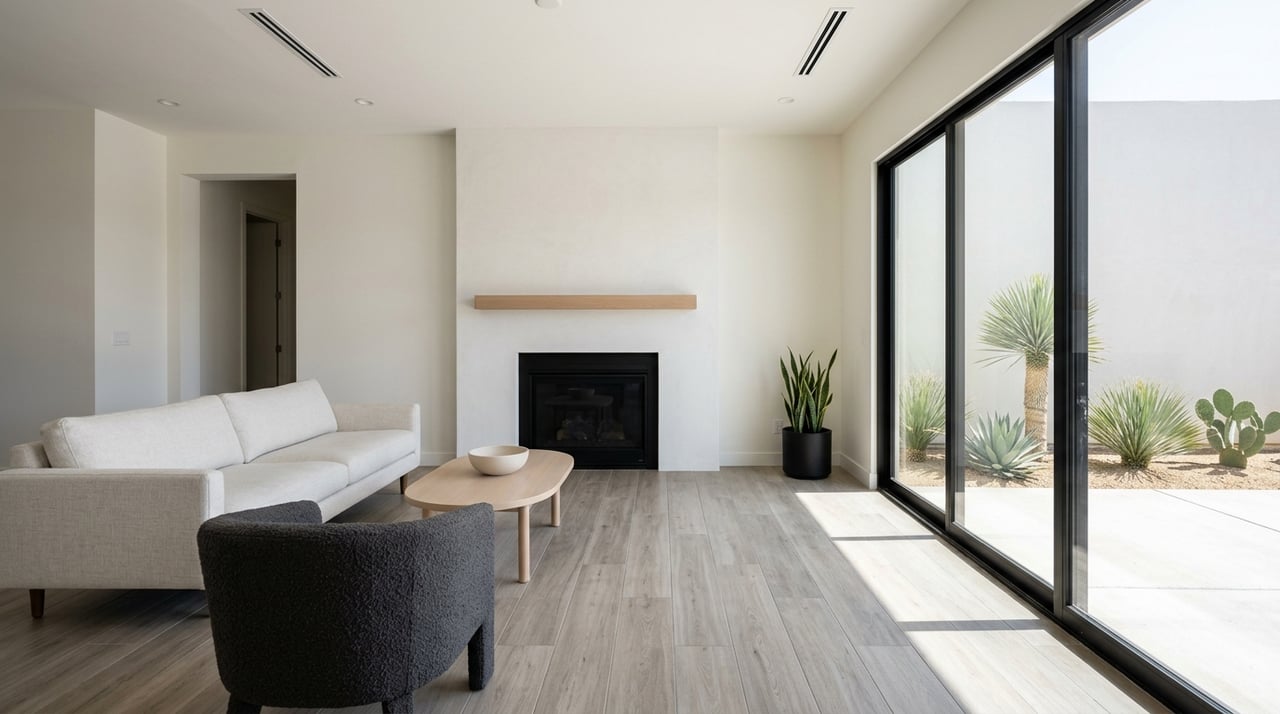
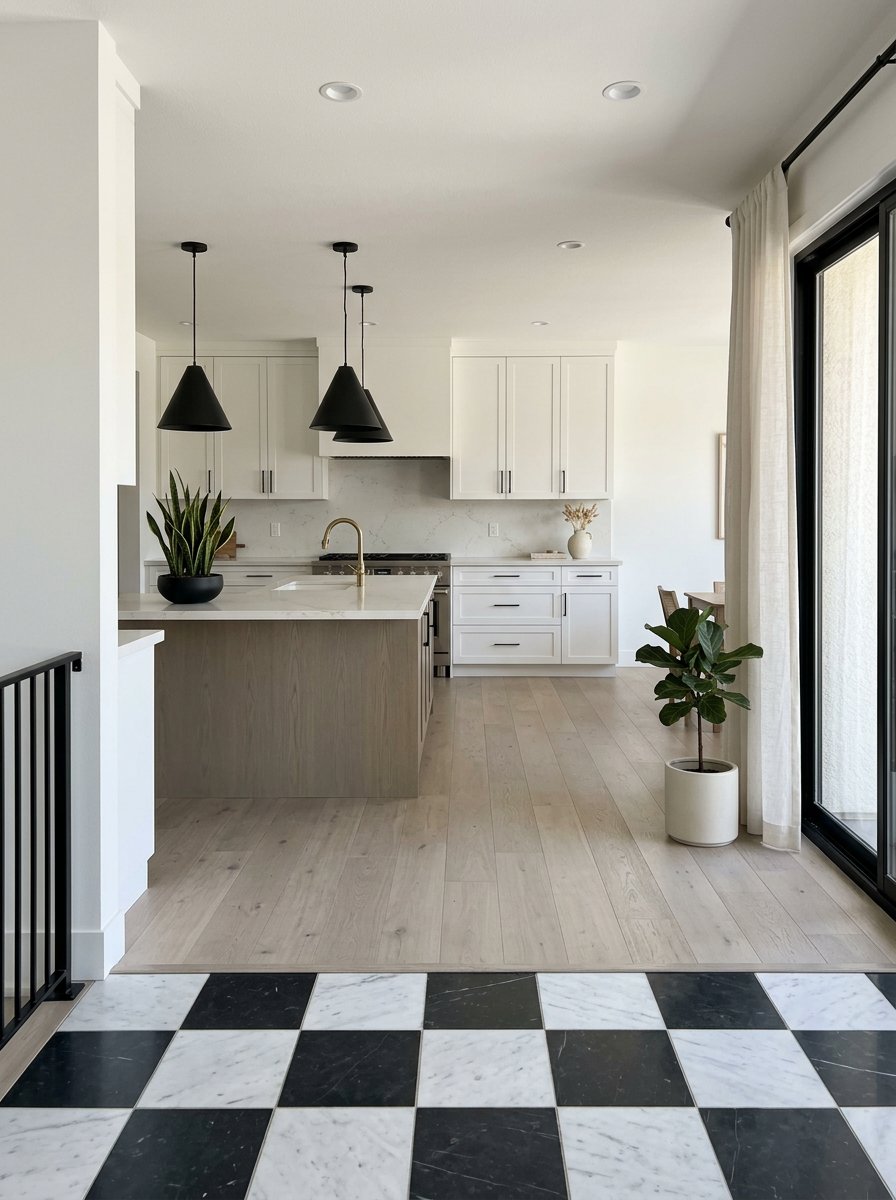
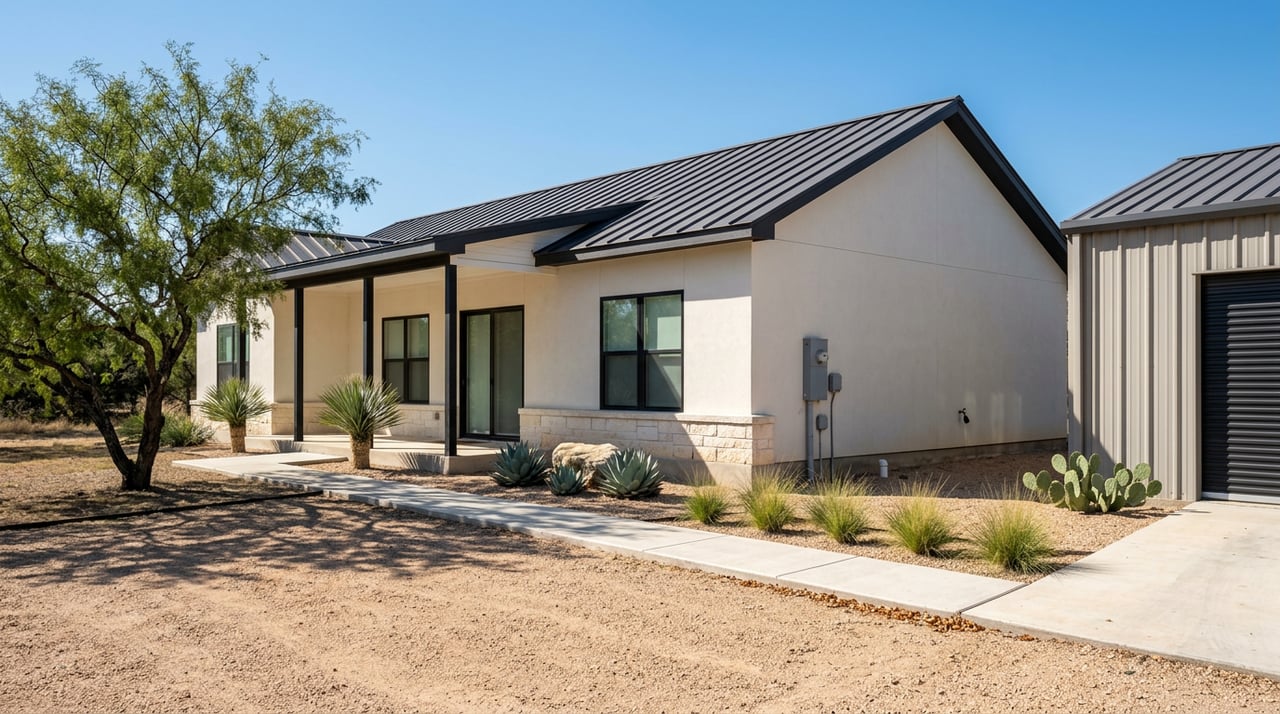
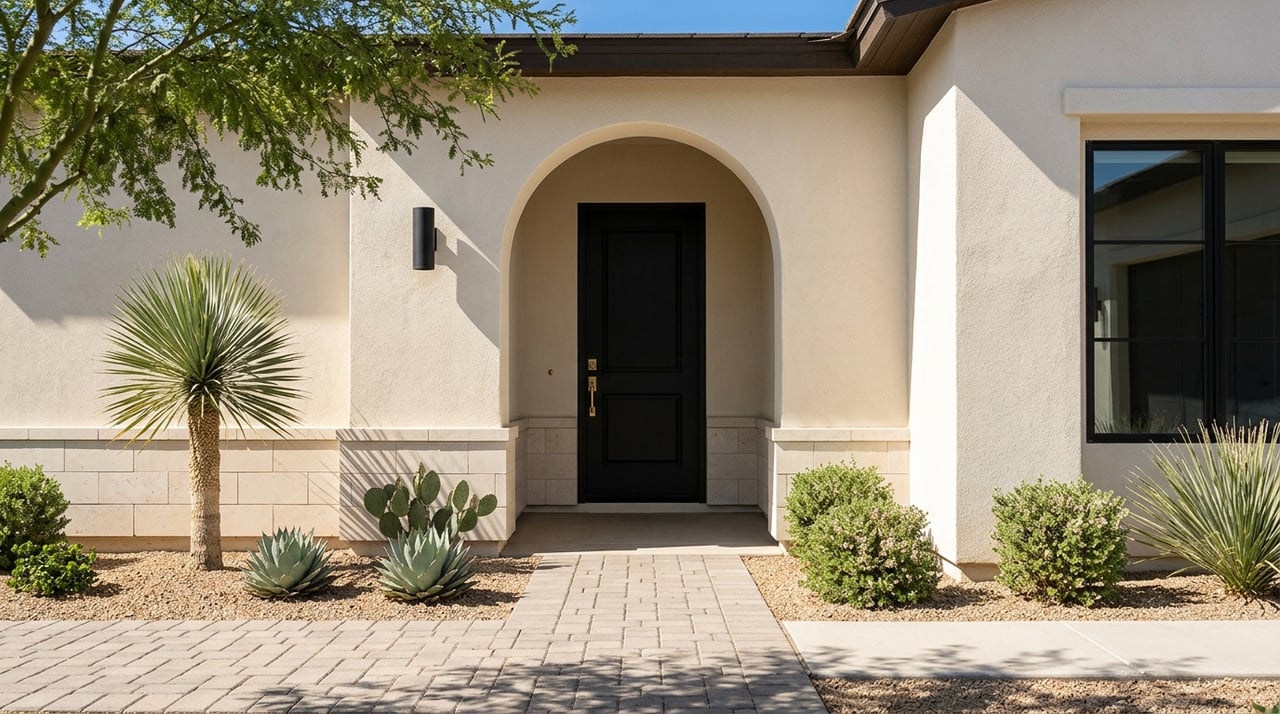
Las Cruces has an older, compact layout with narrow grid streets and a redevelopment-oriented feel. Homes.com describes housing in the area as leaning toward Texas-Mexican vernacular, stone cottage, mission-style, and other Spanish-influenced designs, with many homes dating to the early 1980s.
You will also find practical exterior features that matter in daily life, including fenced yards, paved driveways, and carports. These are the kinds of details that can make a home feel functional from day one, especially if you are comparing older in-town neighborhoods with newer subdivisions.
Prices and housing mix
One reason buyers and investors may look closely at Las Cruces is relative affordability. Homes.com notes that roughly 2-bedroom homes around 1,300 square feet can start near $100,000, while larger 4- to 5-bedroom homes over 2,000 square feet can be around $270,000.
Redfin neighborhood data shows a median single-family sale price of $150,000 and an average price of $109 per square foot. By comparison, Census data for Laredo lists the median value of owner-occupied housing units citywide at $193,500, which suggests Las Cruces may offer a lower entry point than some broader city metrics.
Renting versus owning
Las Cruces is not a purely owner-occupied neighborhood. Redfin reports that 57.4% of residents rent and 42.6% own, which points to a more flexible housing mix.
That matters if you are deciding whether the area fits your goals. A renter-heavy mix can appeal to buyers looking for a practical first purchase, and it can also be relevant for investors reviewing neighborhoods with a range of property conditions and occupancy patterns.
Commutes and Getting Around
What the daily commute looks like
Las Cruces benefits from its location near downtown Laredo, which can help keep many daily drives manageable. Citywide, the average commute is 21.6 minutes, according to the U.S. Census, and that lines up with the area’s general pattern of shorter local trips rather than long suburban commutes.
That said, driving is still part of everyday life for many households. The local transportation picture includes major corridors and ongoing road work, and TxDOT corridor updates referenced in the research indicate continued attention to I-35 and Loop 20/Spur 400. For buyers, that means access can be a strength, but traffic and construction timing can still affect your routine.
Can you live here with less driving?
Possibly, but with limits. El Metro serves more than 15,000 riders per day across about 1,300 bus stops in Laredo and operates a downtown transit center at 1301 Farragut, giving residents another option for some errands and commutes.
Walkability is more mixed than fully pedestrian-oriented. Redfin gives Las Cruces a Walk Score of 61, while Homes.com notes limited sidewalks. So while some short neighborhood trips may feel manageable, many residents will still rely on a car or bus for a good share of daily needs.
Culture and Everyday Amenities
Food and local flavor
One of the biggest lifestyle draws near Las Cruces is access to Laredo’s established dining and shopping areas. The Visit Laredo Visitor Guide describes San Bernardo Avenue as stretching more than 40 blocks through the Cultural District, lined with import shops, Mexican cafes, and food trucks.
Downtown Laredo also stands out for authentic traditional Mexican cuisine and a strong Mex-Tex food scene, according to that same guide. If food is part of how you experience a neighborhood, Las Cruces puts you close to one of the city’s most recognizable lifestyle advantages.
Arts, history, and identity
Las Cruces is tied into the broader cultural life of central Laredo. Nearby landmarks and institutions highlighted in the Visit Laredo guide include the San Agustin Historic District, San Agustin Cathedral, the Republic of the Rio Grande Museum, and the Laredo Center for the Arts.
The Laredo Center for the Arts hosts exhibitions, dance, music, lectures, and education classes for adults and children. That gives residents access to more than restaurants and shops. It adds history, arts programming, and civic spaces to the neighborhood’s everyday reach.
Outdoor Time and Recreation
Parks, lake access, and trails
If you want outdoor options nearby, Laredo offers several. Lake Casa Blanca International State Park includes boating, swimming, fishing, hiking, biking, camping, birding, picnic areas, and sports courts.
For more local trail access, city planning materials in the research also point to the Zacate Creek Greenway, a three-mile trail from Canal Street to the Rio Grande River. The broader central area also includes the Inner City Complex, which includes a library, pool, and park. Together, these options add practical recreation without requiring a long drive out of town.
What Everyday Living Feels Like
Las Cruces tends to fit buyers and renters who value location, cultural connection, and practical housing options over a master-planned suburban setting. It is an established neighborhood with older homes, a moderate level of walkability, and close ties to downtown Laredo’s food, arts, and border-city identity.
If you are comparing neighborhoods, the biggest question is usually not whether Las Cruces is flashy. It is whether it matches the way you actually live. For many people, that means balancing price, commute time, transit options, and access to the parts of Laredo they will use most often.
Whether you are looking at a primary home, a rental property, or a value-add opportunity, neighborhood context matters. Working with a broker who can help you weigh housing condition, pricing, and long-term potential can make that decision much easier. If you want practical guidance on your next move, connect with David Torres for senior-level, bilingual real estate support.
FAQs
Is Las Cruces, TX its own city or part of Laredo?
- Las Cruces is a neighborhood in Laredo, Webb County, not a separate city, according to Redfin neighborhood data.
What types of homes are common in Las Cruces, Laredo?
- Common homes in Las Cruces include older single-family houses with Spanish-influenced design, and current housing options may include smaller homes, renovated properties, and some multi-structure setups, based on Homes.com.
What is commuting like from Las Cruces in Laredo?
- Commuting from Las Cruces is usually centered on short local drives, with Laredo’s average commute at 21.6 minutes citywide, plus bus service through El Metro for some trips.
Can you live in Las Cruces, Laredo without a car?
- You may be able to handle some trips by bus or on foot, but limited sidewalks and a moderate walkability score mean many residents still rely on a car for daily needs.
What defines the lifestyle in Las Cruces, Laredo?
- Everyday life in Las Cruces is shaped by accessible housing, proximity to downtown, strong Mexican-American cultural influences, local dining, and access to recreation like Lake Casa Blanca International State Park.