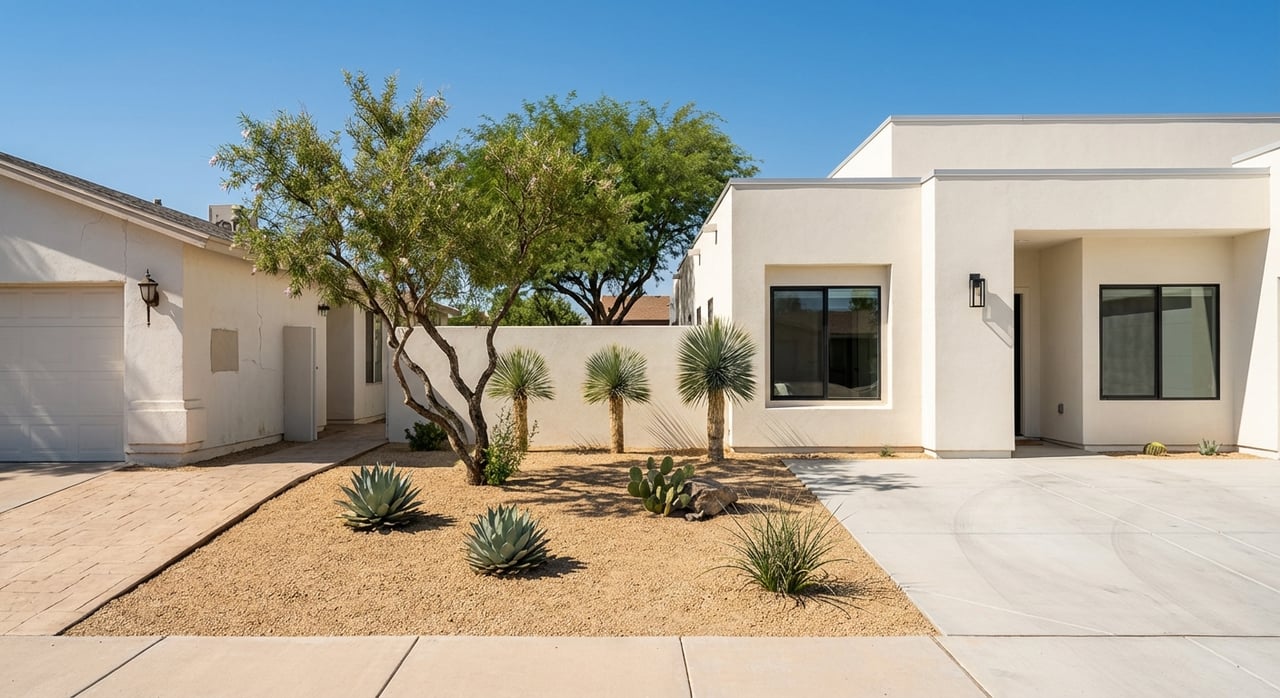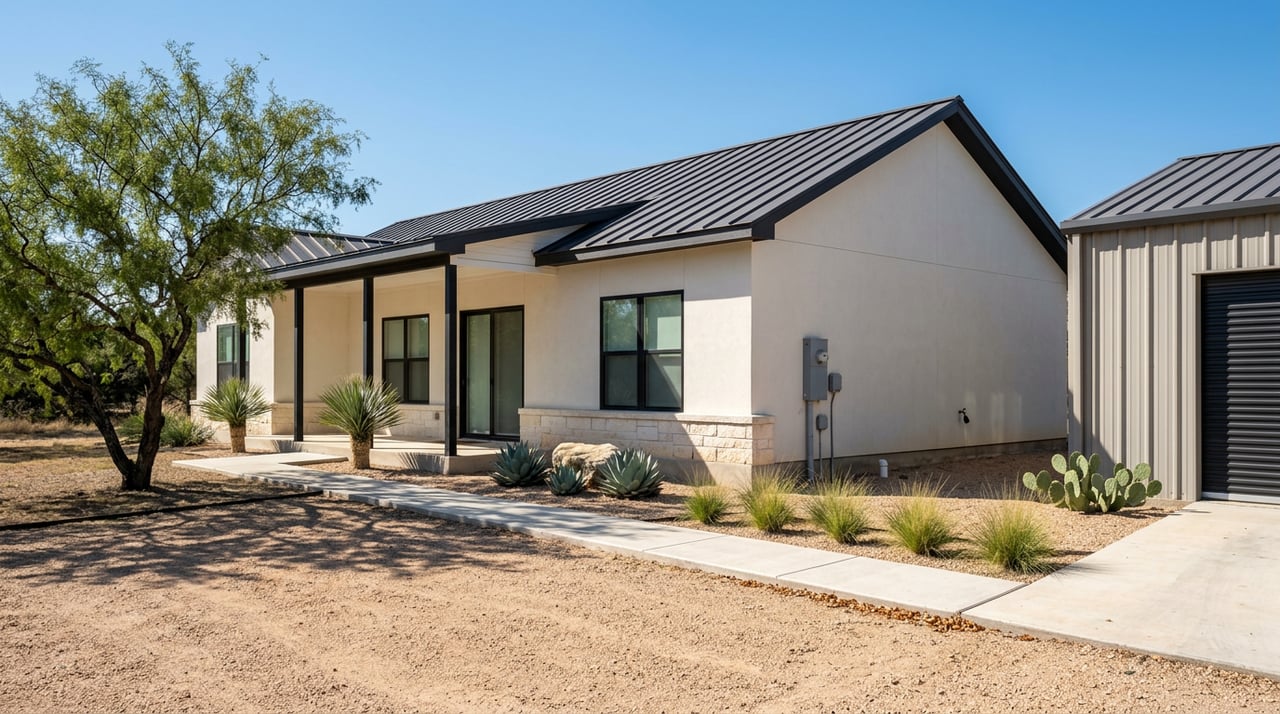
Thinking about a little more space, a place to build, or a small hobby spread near Anthony, TX? You are not alone. Many buyers look to Anthony for bigger lots while staying connected to El Paso. The key is knowing how land works here: utilities, access, septic and wells, flood zones, and permits. This guide walks you through the essentials, gives you the right local contacts, and shows you the steps to verify a parcel before you make an offer. Let’s dive in.
Why buy near Anthony
Anthony sits on the Texas–New Mexico line along I‑10, giving you a small‑town feel with regional access to the El Paso metro. The 2020 Census counted 3,671 residents, which helps explain the semi‑rural vibe and the draw for buyers who want space without losing proximity to jobs and services. You can confirm background and location context for the town in the public record on Anthony, Texas.
Start with jurisdiction
Before you plan a build or make assumptions about utilities, confirm if the parcel is inside the Town of Anthony or in unincorporated El Paso County. The rules, permits, and service providers change with the boundary.
Inside Town of Anthony
Parcels inside town limits often tie into the town’s municipal water and, where available, sewer. Zoning and local ordinances apply. Verify water/sewer connection options, tap fees, and meter status with the town. You can also see the state record for the town system on the PUC utility lookup for Town of Anthony.
Outside town, in the county
If the parcel sits in unincorporated El Paso County, the County is the main permitting authority for subdivision and platting, on‑site sewage systems, floodplain rules, driveway/right‑of‑way permits, and inspections. Start with El Paso County Public Works to understand what approvals you need for your use.
How to confirm the boundary
Use the El Paso Central Appraisal District’s mapping tools to check parcel lines and taxing entities. This helps you see whether the land is in town or county and which districts serve the property. Start with the EPCAD “I Want To” page to access maps and contacts.
Water, sewer, and septic
Utilities can make or break a land deal. Confirm what exists today and what it will cost to connect or install.
Water service
- Inside the town: Many in‑town parcels have access to municipal water. Ask for written confirmation of connection availability, meter status, and tap fees. The PUC utility record for Town of Anthony identifies the town system.
- Outside the town: In much of the county, El Paso Water is the regional provider. Some tracts may require a private well instead. Ask whether EPWater serves the address, what it would take to connect, and whether the area is retail or wholesale service.
Practical tip: Ask the seller or listing agent for proof of a water account or meter location. If a well is present, request the well log and recent water‑quality results.
Wastewater and septic (OSSF)
- Inside the town: Where sewer is available, town rules and connection fees apply. Confirm availability and connection requirements before planning.
- Outside the town: Many small acreages rely on septic. El Paso County issues septic permits, tracks as‑built drawings, and requires inspections. Always obtain the OSSF permit history and schedule a certified septic inspection before closing. See the County’s OSSF and permitting contacts at El Paso County Public Works.
Power, internet, and access
Electricity
El Paso Electric serves the region and can quote new service, transformer placement, and line‑extension costs. For rural parcels, ask about easements, timelines, and any off‑site work you may need.
Internet and communications
Connectivity varies by street. Some parcels have cable or fiber, others rely on fixed wireless, mobile 5G home internet, or satellite. Check availability for the exact address using provider tools or regional lists like the El Paso page on utilities and internet options.
Road access and driveways
Confirm legal access. Does the tract front a public county road, a TxDOT route, or a private easement? New or modified driveways onto a county road require a right‑of‑way permit. Verify access and any driveway approvals with El Paso County Public Works.
Site constraints you cannot skip
Floodplain and levees
Land near the Rio Grande or in low‑lying areas can sit within mapped FEMA flood zones or behind levees. Floodplain status affects build design, insurance, and permits. Search the parcel on the FEMA Flood Map Service Center, then discuss any requirements with El Paso County Public Works. You may need an elevation certificate or a floodplain development permit.
Soils, drainage, and buildability
Desert‑basin soils, arroyos, and historic washes can affect septic suitability, foundations, and site drainage. For owner‑builders and small investors, plan a soils or geotechnical review and a site survey ahead of closing. County stormwater expectations and subdivision rules are posted at El Paso County Public Works.
Wells, groundwater, and water rights
If a private well is in play, verify the driller’s license, well report, and pump records. State‑level well regulations and reporting are managed by TDLR and TCEQ, and well records are searchable. Start with the TDLR program page for Water Well Drillers & Pump Installers. Always test capacity and water quality.
Easements, minerals, and CCRs
Recorded easements, utility corridors, and deed restrictions can limit how you use the property. Mineral ownership may be severed from the surface. Order title and an ALTA survey, and review exceptions closely. The EPCAD site is a good starting point for recorded instruments and taxing entities; your title company will pull full documents.
Cost and timeline checkpoints
Every parcel is different, but these items often drive budget and schedule:
- Water and sewer: Tap fees, meter installation, and any main extensions.
- Electric: Line extensions, transformer placement, and easements for new service.
- Septic: System design, permitting, installation, and required inspections.
- Well: Drilling, pump, power, storage, and water‑quality testing.
- Access: Driveway permits, culverts, and sight‑distance or ROW improvements.
- Flood and soils: Elevation certificates, engineered foundations, and drainage work.
Get written estimates from each utility and permitting office before you go under contract or during your option period.
Step‑by‑step due diligence checklist
Follow this sequence to reduce surprises and keep your deal on track:
- Verify jurisdiction and taxes
- Use the EPCAD map portal to confirm town vs. county and list all taxing entities.
- Confirm water and sewer in writing
- For in‑town parcels, check the PUC utility record for the Town of Anthony. For county parcels, ask El Paso Water about service and connection steps.
- Check legal access and driveway needs
- Verify recorded access and ask El Paso County Public Works about driveway and right‑of‑way permits.
- Inspect septic and verify permits
- Request the OSSF permit and as‑built from El Paso County Public Works and order a third‑party septic inspection.
- Review flood risk and elevation needs
- Search the parcel on the FEMA Flood Map Service Center and consult the County about any floodplain permits.
- Confirm well status or feasibility
- If a well exists or is planned, pull records and driller info via TDLR’s well program and schedule a pump test and lab work.
- Order title, survey, and restrictions review
- Ask for an ALTA survey, review easements and CCRs, and confirm mineral reservations. Use EPCAD for recorded references.
- Clarify permits and inspections
- Discuss residential inspections, subdivision rules, and any commencement notices with El Paso County Public Works before you build or split land.
- Identify school and service districts
- If schools matter for your plan, confirm attendance zones and district info with Anthony ISD.
Who to call to verify
- El Paso County Public Works: Floodplain, septic/OSSF, subdivision, driveway/ROW, permits. County Public Works
- El Paso Water: Retail/wholesale service checks, connections, and developer guidance. El Paso Water
- El Paso Electric: New service, line extensions, and construction support. El Paso Electric
- Town of Anthony: Zoning and municipal water/sewer within town limits. See the Anthony, Texas overview for public context and then call Town Hall.
- El Paso Central Appraisal District: Parcel maps, taxing entities, recorded references. EPCAD
- FEMA Flood Map Service Center: Official map search for SFHA status. FEMA MSC
- TDLR Well Program: Licensed well drillers and state well records. TDLR WWD
When you want local guidance
Buying land is part vision and part verification. The right plan is to confirm utilities, access, septic or sewer path, flood status, title and survey, and permit needs before you commit. If you want a seasoned local partner who understands both transactions and build feasibility, let’s talk about your goals and shortlist parcels that fit.
Schedule a no‑pressure consult with David Torres to map your next steps.
FAQs
What should I check first when buying land near Anthony, TX?
- Start by confirming if the parcel is inside the Town of Anthony or in unincorporated El Paso County, then verify water/sewer options and legal road access using EPCAD and County Public Works.
How do I know if the property has public water or needs a well?
- Ask for written proof of a municipal water account or meter; if outside town, contact El Paso Water to confirm service, and if no service is available, plan for a private well with state‑record verification via TDLR.
Who issues septic permits in the Anthony area?
- El Paso County Public Works administers septic (OSSF) permits, inspections, and as‑built records for parcels in unincorporated areas; always request the permit file and schedule an independent inspection.
Is flood insurance required for land near the Rio Grande?
- If the parcel is in a FEMA Special Flood Hazard Area, lenders typically require flood insurance and the County may require elevation certificates or permits; confirm status on FEMA MSC and speak with County floodplain staff.
Can I bring power to a raw parcel, and what does it involve?
- El Paso Electric will review the site, determine transformer and line‑extension needs, and advise on easements and timelines; request a written estimate early in your due diligence.
Are there rules about livestock or chickens on small acreage?
- Local ordinances, county rules, and any HOA or CCRs govern animals; check town or county codes and recorded restrictions before planning agricultural uses.
How do I confirm school zoning for a specific tract near Anthony?
- Contact Anthony ISD for district boundaries and school information and use EPCAD to see the taxing entities tied to the parcel.