Wondering how to sell a historic-style home near El Paso High without underselling its character or overcomplicating the process? You are not alone. If your home has vintage details, older systems, or sits near one of El Paso’s most recognizable historic areas, you need a strategy that respects both charm and market reality. This guide will help you price, prepare, and market your home with confidence. Let’s dive in.
Why This Area Stands Out
El Paso High gives this part of the city a strong sense of place. According to EPISD, it is the oldest operating high school in El Paso, with the campus dating to 1916. For buyers, that kind of local context can shape how they see the home and the surrounding area.
That matters when you sell. Buyers looking near El Paso High often notice more than square footage or bedroom count. They also respond to architecture, streetscape, and the feeling of owning a home with history and presence.
Historic-Style vs. Historically Designated
One of the first things to clarify is whether your home is simply historic in style or formally designated by the City of El Paso. Under city code, historic properties are those with an H-overlay designation. The city’s Historic Preservation Office reviews exterior changes for buildings within one of the city’s nine historic districts and for independent historic structures.
This distinction is important because it affects both marketing and buyer expectations. A home can have beautiful older character without being formally designated. If it is designated, buyers may want to know what exterior changes are subject to city review.
The good news is that designation does not mean a home has to stay frozen in time. The city states that owners can update dated elements through a design-review process that balances historic qualities with modern use.
What Buyers Notice in Historic-Style Homes
Near El Paso High, buyers may already associate the area with older architectural styles and distinctive curb appeal. City design guidance for nearby historic districts such as Sunset Heights references styles like bungalow, American Foursquare, Tudor Revival, Classical Revival, Queen Anne, and Spanish Colonial Revival.
You do not need to label your home with a style if that would be unclear. But you should identify and present the features that make it feel authentic. Buyers often respond to period details that look intentional, preserved, and consistent with the home’s overall design.
Key features that often stand out include:
- Rooflines
- Original or style-appropriate windows
- Entry doors
- Porches
- Shutters
- Exterior materials
- Trim and architectural details
Price the Home by Type, Not Citywide Average
A citywide median can provide background, but it should not drive your asking price. Redfin reported an El Paso median sale price of about $253,848 in May 2026, with homes selling in around 44 days and a 98.5% sale-to-list ratio. That is useful context, but it is not enough for a historic-style listing.
Your home should be priced against comparable properties with similar age, architecture, condition, lot size, and level of updates. That is especially true near El Paso High, where character and condition can influence value more than a broad city average would suggest.
The city’s preservation code also supports the idea that preserved character matters. It states that historic preservation is intended in part to stabilize and improve property values. In real-world terms, intact details, documented restoration, and thoughtful updates can strengthen value, while deferred maintenance can raise concerns.
Separate Character, Updates, and Repairs
Before you list, it helps to sort your home into three categories. This gives you a clearer plan and helps prevent spending money in the wrong places.
Preserve Character Features
Start with the features that give the home its identity. City preservation rules treat items like roofing materials, siding, windows, doors, porches, balconies, shutters, fences, railings, and paint color as part of the exterior character of a property.
If those elements are intact and visually consistent, they may deserve protection rather than replacement. In many cases, these are the details buyers remember most.
Improve Dated but Functional Areas
Some parts of an older home are not character features. They are simply dated. If a light refresh can make the home feel cleaner, brighter, or more usable without stripping away its style, that may be worth doing before listing.
The goal is not to erase age. The goal is to reduce distraction so buyers can focus on the home’s strengths.
Address Condition Issues Early
Older homes often raise practical buyer questions. If you already know about roof wear, drainage issues, wood rot, aging systems, or signs of past water intrusion, those issues should be part of your plan from the start.
You may choose to repair them before listing, disclose them clearly, or price with them in mind. What usually works best is deciding early, with documentation ready, instead of scrambling after inspections.
Market the Details That Make It Special
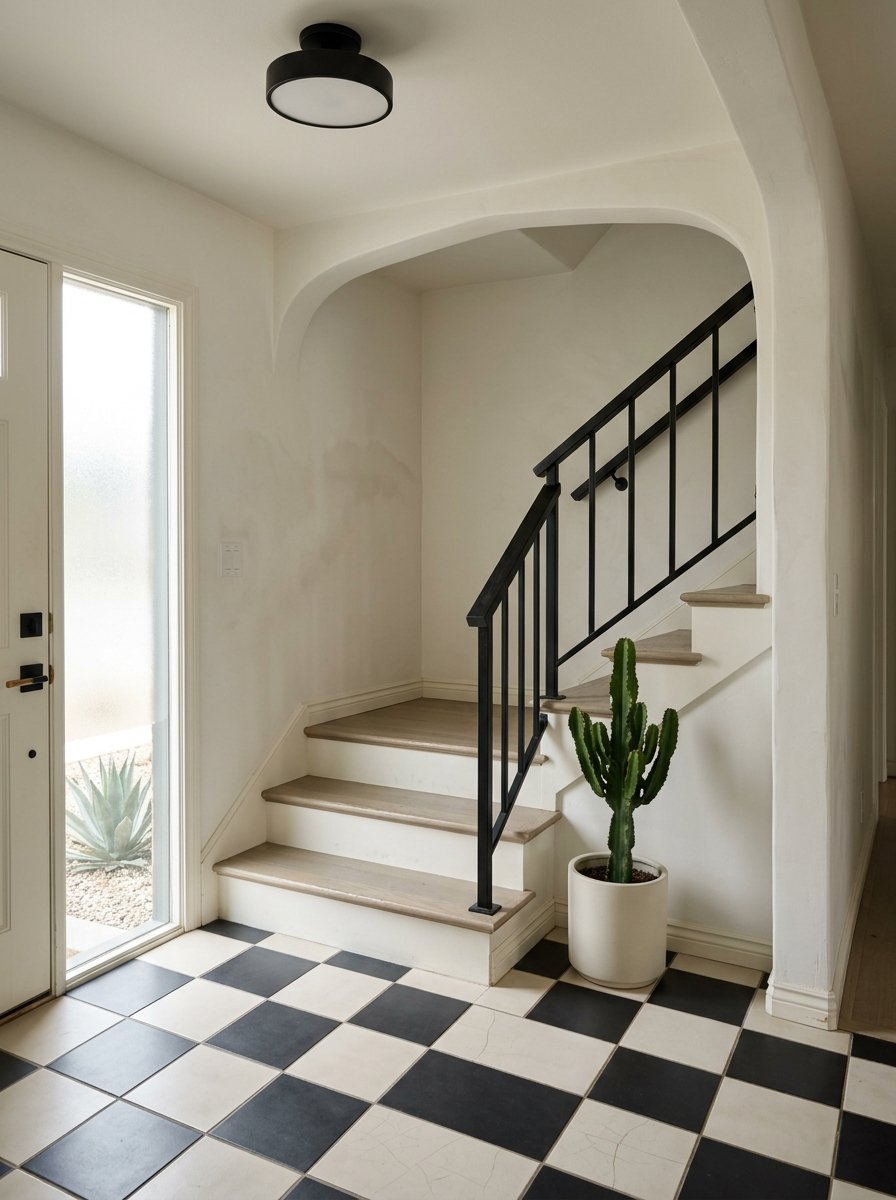
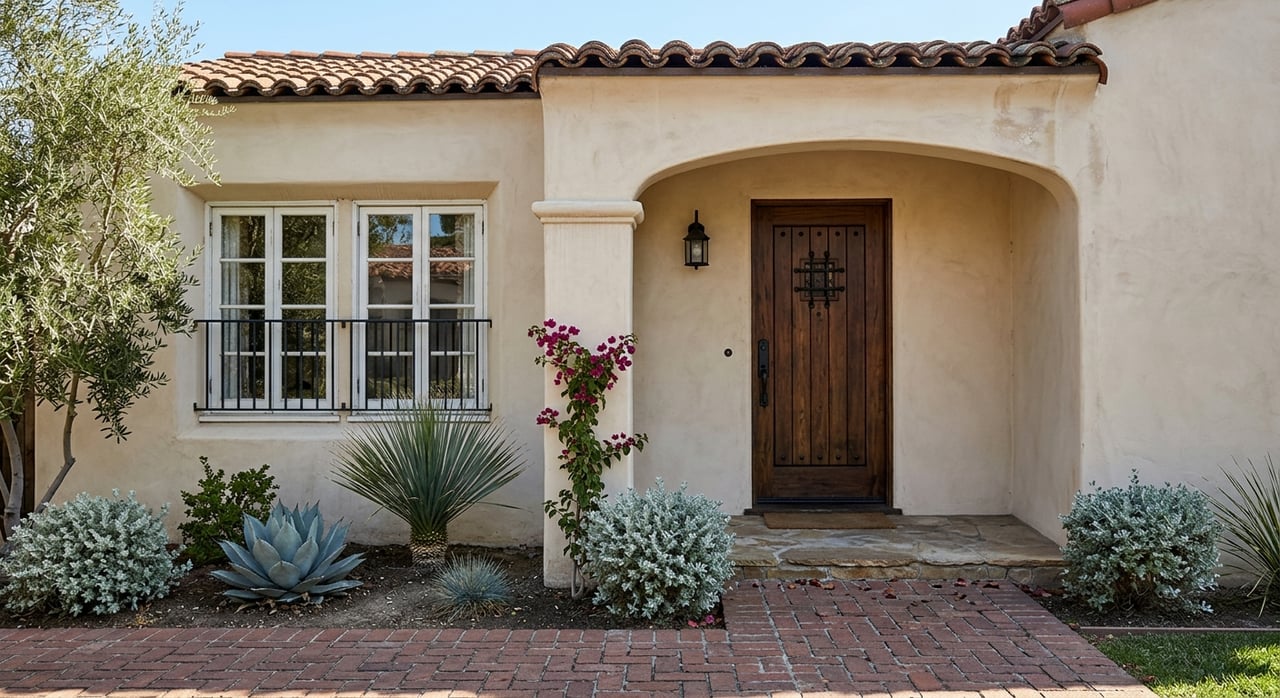
Photography can make or break a historic-style listing. The most effective visuals show the home’s period-correct features clearly and honestly. That includes porches, doors, windows, trim, rooflines, and materials that define the look of the property.
City design guidance specifically identifies porches as defining features and notes that visible door styles should match the building’s architectural style. It also notes that shutters work best when they are historically appropriate. That supports a simple marketing principle: authenticity sells better than imitation.
When preparing photos and listing remarks, focus on what is real and well-preserved. If restoration work has been done, document it. If updates were approved or completed with supporting records, that can help buyers feel more confident.
Be Careful How You Describe Improvements
If your home is in a historic district or subject to preservation review, your listing language should be precise. Exterior work such as landscaping, painting, re-roofing, walk and driveway repair, fences, and replacement windows or doors may be reviewed by the city.
That does not mean improvements are a problem. It simply means you should avoid vague claims. It is better to note that work was completed and documented, or that approval was obtained when applicable, rather than assuming buyers will not ask.
Get Your Disclosure Package Ready
Texas sellers of previously occupied single-family residences are generally required to complete a Seller’s Disclosure Notice. The current TREC form asks about major systems and conditions such as the roof, foundation or slab, plumbing, sewer or septic, electrical systems, central A/C, central heating, roof age, and whether any item needs repair.
For older homes, the list gets more detailed. The form also asks about termites or wood rot, drainage issues, water damage, soil movement, structural repairs, asbestos, lead-based paint, aluminum wiring, fires, flood insurance, previous flooding, and prior water penetration into the structure.
This is why good recordkeeping matters so much for a home near El Paso High. If you have invoices, warranties, permits, pest treatment records, or drainage repair documents, gather them before the listing goes live.
Prepare for Lead-Based Paint Questions
If your home was built before 1978, federal law adds another disclosure step. Sellers of most pre-1978 housing must disclose known lead-based paint information, provide the approved pamphlet, and allow a 10-day period for a buyer to inspect or assess for lead hazards.
That issue often comes up early in the process for older homes. Being ready with the required paperwork can help the transaction move more smoothly.
Expect Smart Buyer Questions
Buyers interested in historic-style homes tend to ask thoughtful questions. They are often trying to understand both the charm and the responsibilities that come with the property.
Common questions include:
- Is the home formally designated or simply historic in style?
- What exterior changes would require city review?
- Have the roof, plumbing, electrical, HVAC, or foundation been updated?
- Is there permit history for additions or replaced windows or doors?
- Are there known issues involving lead-based paint, termites, drainage, or water intrusion?
When you prepare answers ahead of time, you reduce uncertainty. That can make buyers more comfortable and help your home stand out for the right reasons.
Why Local Expertise Matters Here
Selling a historic-style home near El Paso High is rarely just about putting a sign in the yard. You may need to balance pricing, documentation, condition strategy, and city preservation considerations all at once.
That is where broker-level guidance can make a real difference. A local brokerage with construction and valuation knowledge can help you identify which details add value, which repairs deserve attention, and how to position the home clearly in the market.
The City of El Paso also offers an interactive historic-districts map by address and includes a tax exemption application among its historic-preservation forms. Checking designation status early can help you avoid surprises and market the home more accurately from day one.
If you are thinking about selling a historic-style home near El Paso High, a hands-on strategy matters. David Torres brings local El Paso market knowledge, practical property insight, and senior-level guidance to help you position your home with clarity and confidence.
FAQs
What makes a historic-style home near El Paso High different from a standard listing?
- Buyers often evaluate these homes based on architecture, preserved details, condition, and documentation, not just size and bedroom count.
How can I tell if my El Paso home is officially historic?
- In El Paso, formally historic properties have an H-overlay designation, and the city provides historic-preservation resources to help owners check status by address.
What exterior features matter most when selling an older home near El Paso High?
- Features like porches, windows, doors, rooflines, shutters, trim, and exterior materials often shape buyer interest because they help define the home’s character.
What should I disclose when selling an older home in Texas?
- The Texas Seller’s Disclosure Notice asks about major systems, repairs, water issues, pests, structural concerns, and other conditions commonly relevant to older homes.
Do sellers of pre-1978 homes near El Paso High need to address lead-based paint?
- Yes, sellers of most pre-1978 homes must disclose known lead-based paint information, provide the required pamphlet, and allow time for a buyer assessment period.
Should I renovate my historic-style home before listing it in El Paso?
- It depends on the home, but sellers often benefit from preserving character features, improving clearly dated areas, and making a plan for any known condition issues before going to market.