Do you love the charm of older homes but worry about hidden surprises? Around El Paso High, you can find character-filled properties from the early 1900s through the 1960s, all tucked into a walkable, central location near downtown. If you are shopping here, you want to understand how style influences materials, maintenance, renovation feasibility, and future resale. This guide breaks down the most common home styles you will see and what to watch for so you can buy with confidence. Let’s dive in.
El Paso High area context
The streets around El Paso High reflect the city’s early growth, with homes from the 1910s to mid-century and some later infill. Lots tend to be modest compared with newer suburbs, which helps with walkability and access to downtown amenities. The climate is Chihuahuan Desert, which means hot, arid summers and mild winters. That climate favors stucco, masonry, and clay tile, but it also makes HVAC performance and sun exposure important considerations.
Some blocks may sit within or near local or national historic districts. If you are planning exterior changes, you may face design review and permitting steps. Many buyers are drawn to the area’s established character and period details. Older homes can offer a lot of value when systems are upgraded and features are preserved.
Popular home styles you will see
Spanish Revival and Mission Revival
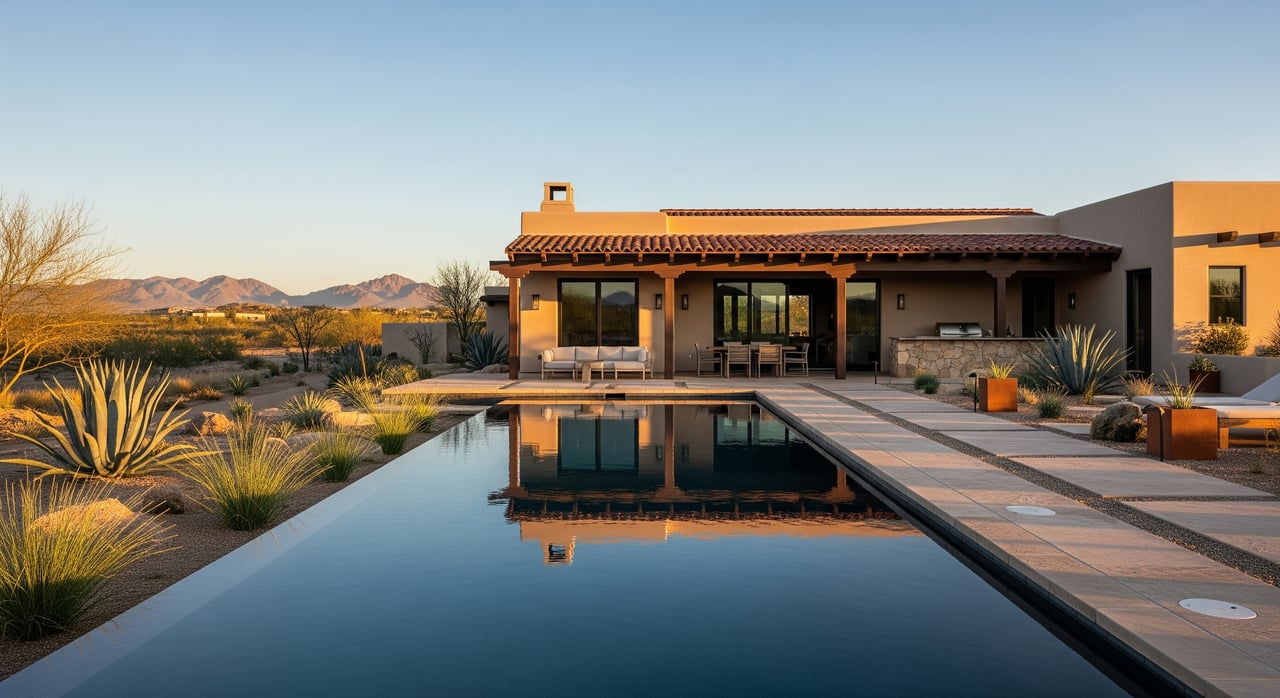
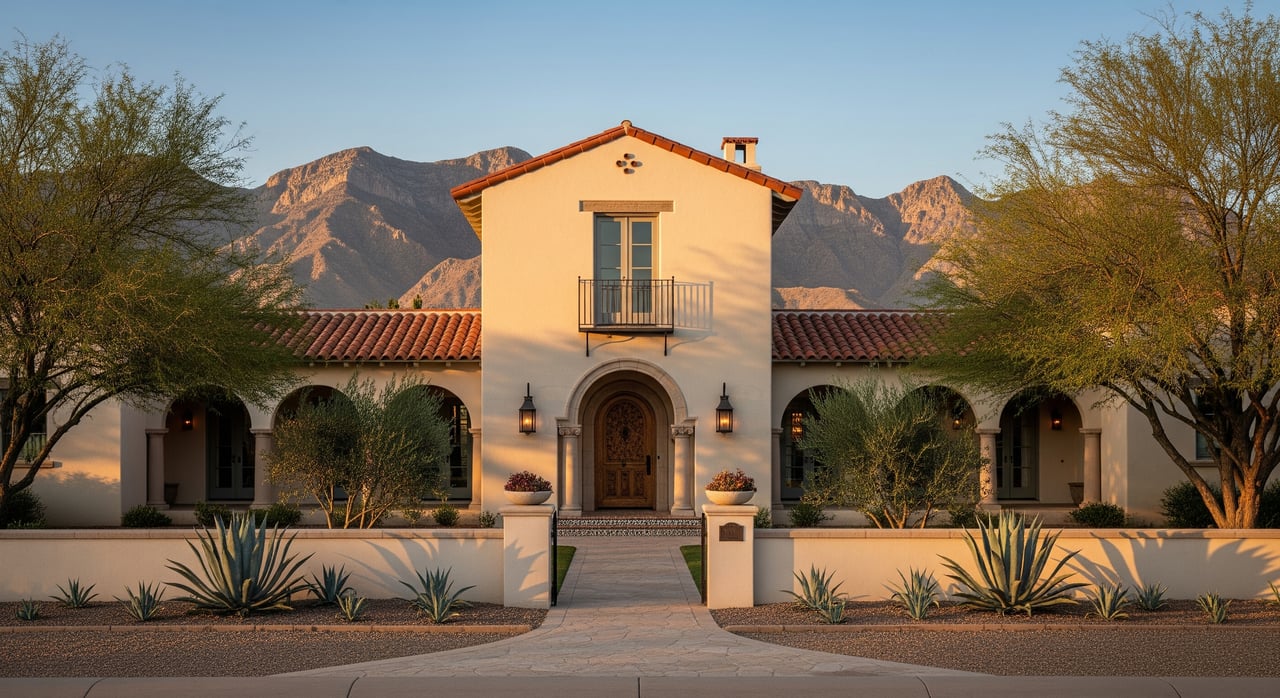
These homes appeared from the 1910s to the 1940s and remain a defining look near El Paso High. You will often see smooth stucco exteriors, arched openings, recessed entries, and decorative ironwork. Roofs may be low-pitched with red clay barrel tiles or flat with parapets.
Interiors commonly feature plaster walls, tile or hardwood floors, and sometimes exposed ceiling beams. Stucco and clay tile perform well in arid conditions, but they still need care. Plan for periodic stucco crack repairs and routine checks of tile roof flashing and underlayment to prevent water intrusion.
Craftsman and Bungalow
Craftsman-era homes from the 1910s to 1930s bring wide eaves, exposed rafters, and welcoming front porches with tapered columns. Exteriors may be wood siding, stucco, or a mix, with brick or stone porch elements. Inside, you often find built-in cabinetry, original millwork, and hardwood floors.
Wood elements can require repair if water intrusion has occurred, and termites are a regional concern. Preserving original millwork and built-ins tends to be a high-value choice for resale. Expect some added cost if you are matching historic details during a renovation.
Classical Revival and Tudor influences
You will see a smaller number of early-20th-century Revival homes with brick or stucco facades. Classical Revival homes skew to symmetry and traditional trim. Tudor-influenced homes show steeper roofs and decorative half-timbering.
These properties often appear in older, historically affluent pockets. They can be excellent candidates for character-sensitive upgrades. As with other historic styles, confirm any design-review requirements before exterior changes.
Mid-century Ranch and early Modern
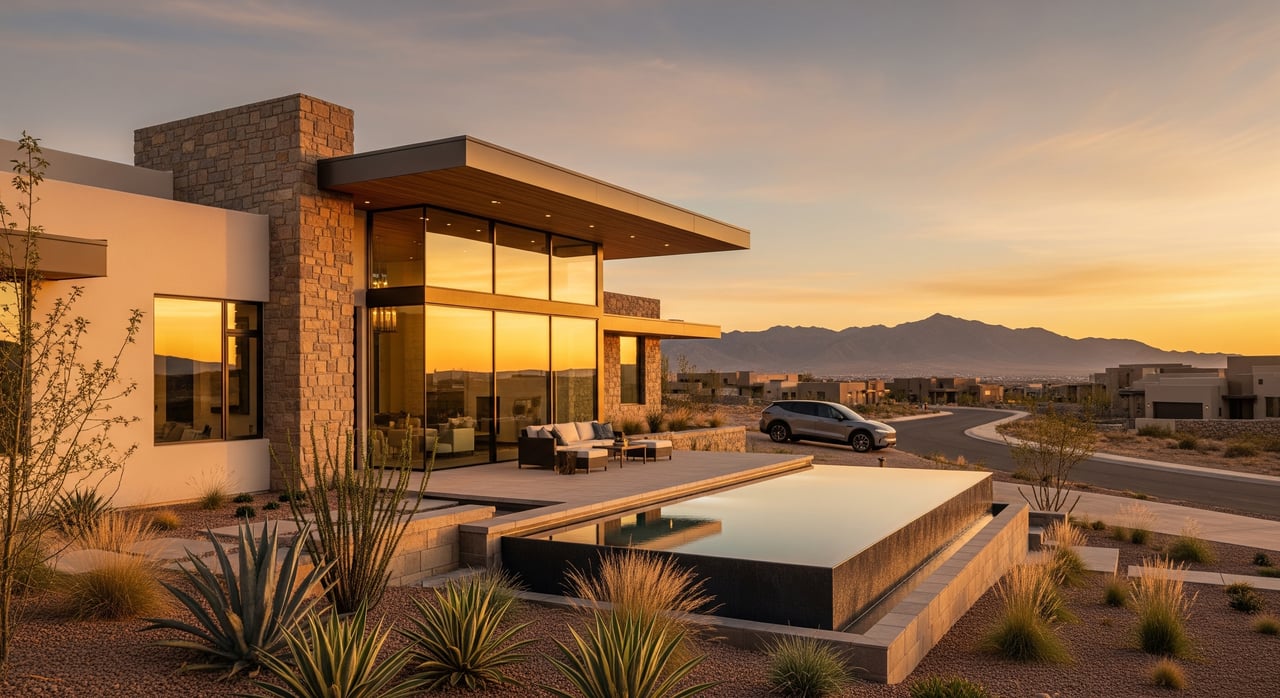
From the 1940s through the 1960s, mid-century homes introduced longer rooflines, larger picture windows, and simpler trim. Many have brick or stucco veneer, attached garages, and more open interior plans. A subset includes post-and-beam elements and clerestory windows.
Single-pane picture windows are common and can contribute to heat gain. Energy-efficient replacements improve comfort, but consider how changes will alter the home’s appearance. Low-slope roofs may need proactive drainage solutions, especially where later additions intersect the original structure.
Local vernacular and masonry
You will find many homes that blend styles with regional materials. Thick masonry walls and stucco over masonry or block are typical. Masonry provides helpful thermal mass for hot days and cooler nights.
Keep an eye on mortar condition, flashing, and any signs of settlement. Proper grading and drainage are important in established neighborhoods to direct occasional stormwater away from foundations.
Materials and systems to evaluate
Before you write an offer, plan a thorough inspection focused on the local housing stock. Key items include:
- Exterior finishes: Stucco may show hairline cracks or areas of delamination where moisture got in. Brick and masonry can need repointing and monitoring for efflorescence.
- Roofing: Clay tile is long-lived but heavy. Verify structural support, underlayment condition, and flashing at penetrations and parapets.
- Foundations and structure: Older homes may have raised foundations or slab-on-grade. Look for settlement cracks and uneven floors.
- Insulation and ventilation: Many older attics lack adequate insulation or airflow. Upgrading can significantly improve comfort and energy use.
- HVAC: Cooling capacity and duct condition matter in hot summers. Right-size equipment and sealed ducts improve performance.
- Electrical: Older panels and wiring can be undersized for modern needs. Very old homes may have cloth-insulated wiring that calls for a professional upgrade.
- Plumbing: Galvanized supply lines can corrode. Older waste lines made of clay or cast iron may need repair or replacement.
- Health and safety: Homes built before 1978 can have lead-based paint. Asbestos-containing materials may be present in some mid-century components. Follow professional protocols during renovation.
- Pests and drainage: Termites and wood-destroying insects exist in Texas. Ensure proper grading and check for wood damage around porches, sills, and trim.
Renovation and permitting basics
If a property sits in a historic district or has landmark status, exterior changes will likely require a review and a Certificate of Appropriateness or similar permit. Standards commonly ask you to retain character-defining features. Window changes, roofing materials, additions, and street-visible work often get the most scrutiny.
Interior system upgrades like electrical, plumbing, and HVAC usually require permits and inspections. Energy upgrades such as insulation are generally feasible, but visible window changes may face review in historic areas. Always confirm the property’s overlay or district status with local planning and historic preservation staff before you set a design or budget.
Lot sizes, existing foundations, and setbacks can limit additions or second stories. Roof replacements and material changes are possible but may be discouraged where they alter the home’s character. Hiring contractors with historic renovation experience can save time and avoid costly rework.
How style influences resale
Character and modern convenience work best together in this part of El Paso. Original features like tile, plaster, fireplaces, and quality woodwork help drive demand. Many buyers also expect updated kitchens and baths, strong HVAC, good insulation, and safe electrical and plumbing.
Projects that preserve visible character while modernizing systems usually see the best market response. Unpermitted work, deferred maintenance, or structural issues can narrow the buyer pool and reduce price. If the home is under historic protection, keep thorough records of permits and approved work to reassure future buyers.
Quick buyer checklist
Use this short list during your walk-through and inspections:
- Identify the home’s primary style and note character elements to preserve.
- Check stucco, masonry, and roof flashings for cracks or gaps.
- Confirm HVAC capacity, duct condition, and attic insulation.
- Review electrical panel size, wiring type, and grounding.
- Ask about plumbing materials and any sewer line updates.
- Look for foundation settlement, uneven floors, and drainage patterns.
- Verify any past permits and whether the property is in a historic district.
- Budget for preservation work on original doors, windows, and millwork.
Selling near El Paso High
If you are preparing to sell, prioritize the items that buyers in this area value most. Focus on safety and comfort upgrades: HVAC, electrical, and plumbing. Address roof and stucco maintenance before photos and showings. Preserve or restore standout features like built-ins, tile, and original doors.
Document all permitted work and keep warranties and product data. Thoughtful updates that respect the neighborhood character tend to photograph well, show well, and support stronger offers.
Let’s talk about your next move
Whether you are buying a Spanish Revival near the school or listing a mid-century ranch, a clear plan for inspection, scope, and staging can make all the difference. If you want practical guidance on renovation feasibility, pricing strategy, or timing, we are here to help. Connect with David Torres for senior-level, local advice.
FAQs
Are there restrictions on changing the exterior near El Paso High?
- Some properties fall within historic districts that require design review for exterior changes. Verify status with the City’s planning and historic preservation staff before you plan work.
What systems should I inspect first in an older El Paso home?
- Start with HVAC capacity and ducts, electrical panel and wiring, plumbing materials and drains, roof and flashing, foundation settlement, and any moisture or pest damage.
Do original features cost more to maintain in historic homes?
- Many original elements are durable, but custom repairs or matching materials can be pricier. Routine preventative maintenance helps control long-term costs.
Will replacing windows hurt historic value in central El Paso?
- Energy-efficient replacements that match the original appearance are typically preferred. Removing character-defining windows without regard to appearance can reduce historic integrity and buyer appeal.
How can I balance modernization and preservation in a renovation?
- Focus on concealed system upgrades, reversible improvements, and keeping character-defining elements intact. Consult local guidelines before exterior work.
Do mid-century homes around El Paso High have special considerations?
- Expect larger single-pane windows and occasional low-slope roof details. Plan for energy upgrades that respect the home’s design and ensure proper roof drainage.