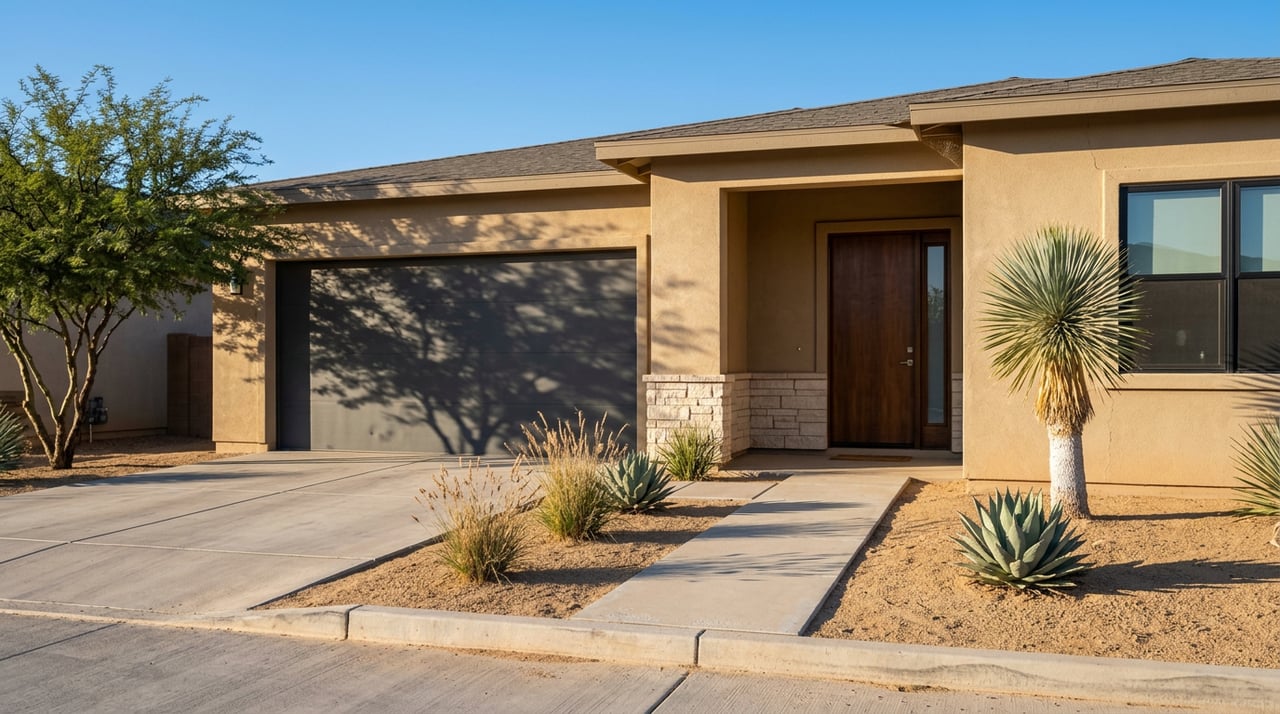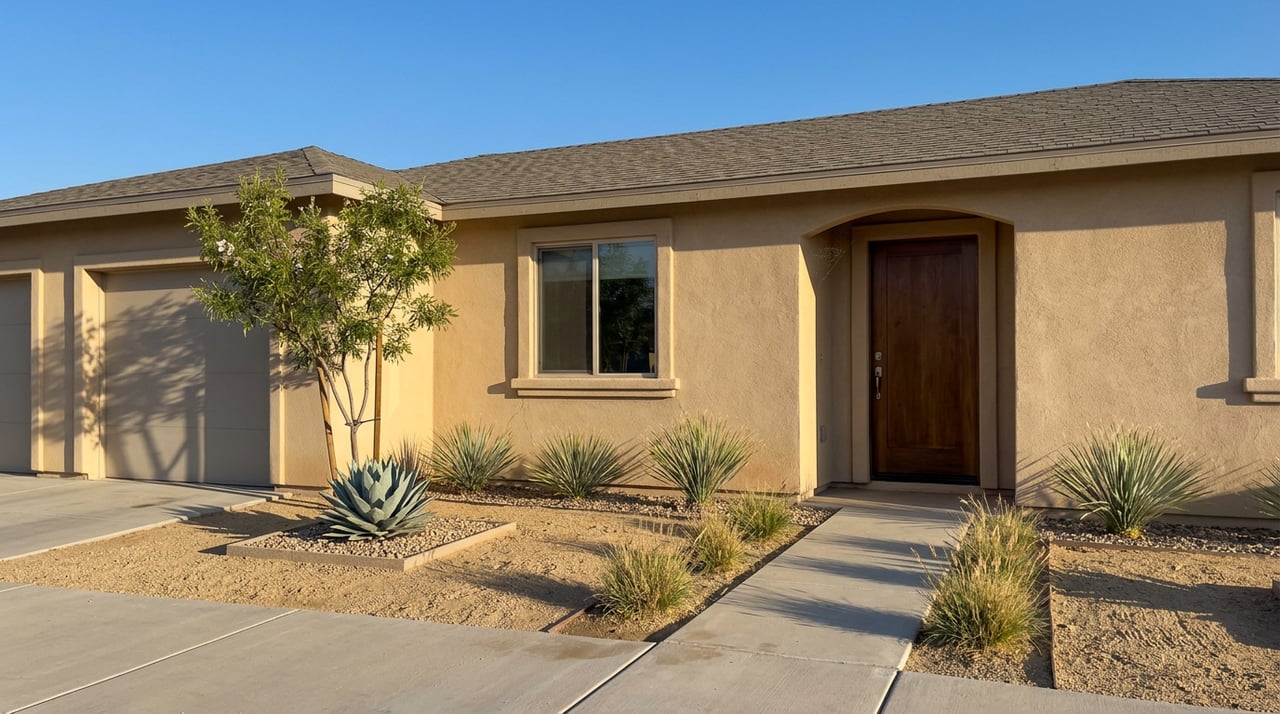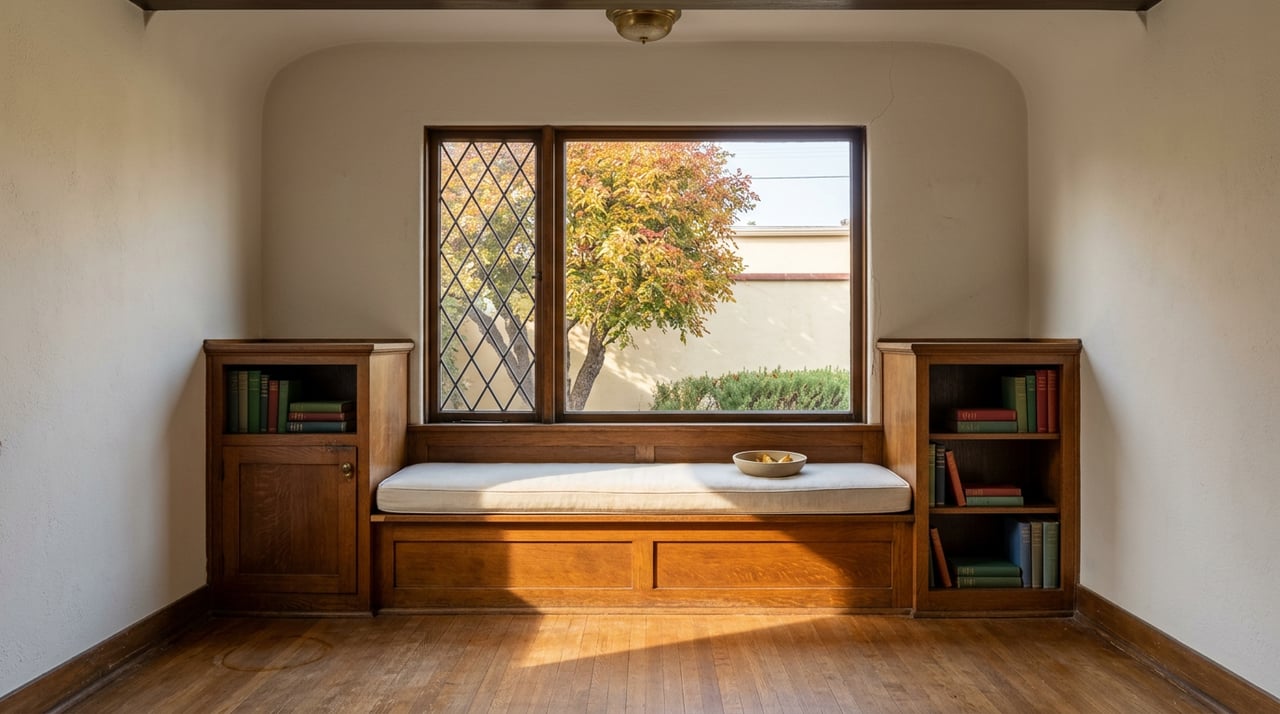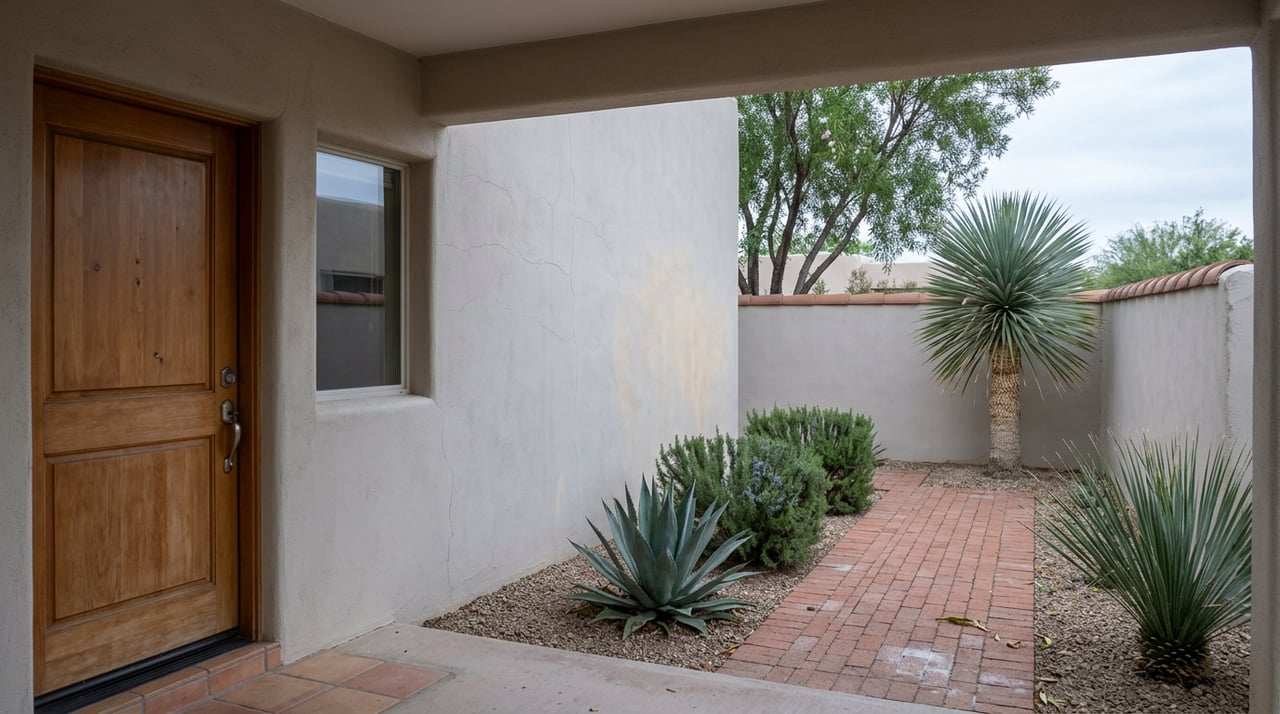
Before you write an offer on a 1920s bungalow near Pioneer Women's Park, ask one question the listing photos can't answer: is this house contributing or non-contributing? It sounds like a technicality. It is actually the single fact that determines whether you can replace that sagging roofline without a hearing, and whether New Mexico will hand you back half of what you spend fixing it.
Most buyers treat a historic-district home the way they'd treat any resale: order the standard inspection, review the report, close. In Alameda-Depot, that sequence skips the part of the transaction that actually decides what the house will cost you to own. The inspection tells you what's broken. It does not tell you what you're allowed to fix, how you're allowed to fix it, or whether the state will subsidize the work. That information sits in a different file entirely, and it rarely surfaces until after the option period closes.
Two Kinds of Old House
Alameda-Depot earned its spot on the National Register of Historic Places in 1985, a listing that covers 271 contributing buildings and a contributing site spread across roughly 70 acres and about 42 blocks, centered on Pioneer Women's Park and running up Alameda Boulevard. The park itself dates to 1898 and still functions the way a neighborhood park should, with a gazebo, picnic tables, and a playground under trees that have been there for generations. The Las Cruces Train Depot sits just to the east.
Walk the district and the housing stock reads like a small architectural survey: Queen Anne cottages next to Craftsman bungalows, Pueblo Revival homes a few doors from Spanish-style houses, some dating to the late 1800s and early 1900s. It's a short walk to the Las Cruces Railroad Museum and the Museum of Nature and Science, both free to enter, and to breakfast at A Bite of Belgium before a stop at the Farmers & Crafts Market of Las Cruces. This is the version of the district that shows up in every listing description, and it's accurate as far as it goes.
What it leaves out is that not every house on those blocks carries the same legal weight. A structure's status as contributing or non-contributing to the historic district isn't cosmetic language. It's a designation that follows the property through every renovation permit you'll ever file.
The Word That Isn't in the Listing
The City of Las Cruces maintains a Register of Cultural Properties, and any property listed there, whether individually or as a contributing resource within a district like Alameda-Depot, is subject to Historic Preservation Committee design review under city ordinance. In practice, that means exterior changes, from windows and doors to roofing and additions, route through the Certificate of Appropriateness process before you can pull a building permit. The committee itself is a seven-member group that also maintains a Watch List of Endangered Properties and advises the City Council on preservation policy, so this isn't a rubber-stamp formality tucked in a drawer somewhere. It's an active body reviewing active applications.
That review requirement is the part sellers rarely mention and buyers rarely ask about, because it doesn't show up as a line item anywhere in a standard purchase contract. You find out about it when you're ready to swap out a window and discover you need a hearing first.
What the Tax Credit Actually Requires
Here's the part that cuts the other way. The New Mexico Historic Preservation Division offers a state income tax credit equal to 50% of approved rehabilitation costs for properties listed at the state level, individually or as a contributing resource in a listed historic district, once the project is completed and approved. For a contributing property in Alameda-Depot, that credit is real money on the table for the kind of rehab work these houses tend to need anyway: roof repair, structural stabilization, window restoration.
The credit only reaches contributing properties. A non-contributing structure on the same block, maybe a later infill build or a heavily altered original, doesn't qualify, even though it sits inside the same district boundary. Two houses a block apart can have identical renovation budgets and completely different economics once the tax credit is or isn't in play. That's a number worth knowing before you set your offer, not after your contractor has already started work.
Where a Standard Inspector Stops Looking
Assume for a moment you've confirmed contributing status and you understand the review process. The inspection itself still carries a blind spot specific to this building stock.
Standard home inspectors are trained and credentialed to evaluate the systems every house shares: roof, electrical, plumbing, HVAC, structure. Adobe and historic plaster construction fall outside that standard training. Contractors who specialize in adobe repair have described the pattern often enough that it's a known issue in the trade: an inspector notes that a wall "needs sealing" without flagging the extent of underlying deterioration, the seller shaves a token amount off the price, and the real repair cost surfaces only after the new owner has moved in and started noticing cracked plaster or water intrusion that a generalist walkthrough wasn't built to catch.
That's not a knock on inspectors doing their job. It's a mismatch between a house's construction method and the checklist most inspection reports are built around. In a district where a meaningful share of the stock is genuinely old adobe or adobe-hybrid construction, that mismatch is worth naming out loud before you waive anything.
The Two Inspections This District Makes Non-Optional
Every home purchase benefits from a general inspection. In a district built mostly before 1985, two add-on inspections stop being optional extras and start being close to mandatory, because the age profile of the stock makes the risks they check for far more likely to exist.
| Inspection | Typical cost | What it protects against |
|---|---|---|
| Wood-destroying insect (WDI/termite) inspection | Roughly $100 to $150 | Required for VA loans across most of Las Cruces; catches termite damage common in older wood-contact framing and trim |
| Sewer line scope | Roughly $175 to $250 | Flags failing clay or cast-iron sewer lines, common in pre-1985 construction, before they turn into a $5,000 to $15,000 repair discovered after closing |
Neither of these shows up automatically in a general home inspection scope, which typically covers roof, exterior, structure, electrical, heating, cooling, plumbing, insulation, and interior systems as a package. You have to ask for them, and in a district where most of the housing stock predates 1985 by decades, asking isn't excessive caution. It's proportionate to the building type you're buying.
The Insurance Call to Make Before Your Option Period Ends
One more piece of friction tends to surface late: insurers rate adobe and stucco construction differently than wood-frame construction when pricing a homeowners policy. That's a reasonable underwriting decision given how differently these materials age and how differently they behave in a claim, but it means the quote you get on a contributing adobe property may not match what you'd expect from a generic estimate for a house of similar size and value elsewhere in Las Cruces.
Getting an actual quote, not a ballpark, while you still have time to renegotiate or walk away, is worth the phone call. Finding out about a rating surprise after your option period has closed leaves you with far fewer ways to respond to it.
The Sequence, in Order
If you're seriously considering a home in Alameda-Depot, this is the order that protects you, not the order most buyers default to.
- Confirm the property's contributing status through the city's Register of Cultural Properties before you write the offer, not after.
- Ask the seller or listing agent whether any Certificate of Appropriateness applications are pending or were filed for past work on the house.
- Order the general inspection alongside a WDI/termite inspection and a sewer scope, especially if the home predates 1985.
- If the inspector isn't adobe-specialized and the home has adobe or lime-plaster construction, consider a supplemental opinion from someone who works specifically with that material.
- Get a real homeowners insurance quote, not an estimate, while your option period is still open.
- If you plan to renovate, confirm the contributing designation applies to your specific structure so you know whether the state's 50% rehabilitation tax credit is realistically available to you.
FAQ
Does every older-looking home in Las Cruces fall under this review process? Only properties listed on the Las Cruces Register of Cultural Properties, individually or as part of a designated district like Alameda-Depot, are subject to Historic Preservation Committee design review. A home that simply looks historic but sits outside a designated district or register listing doesn't carry the same review requirement.
If I want to add a room or change the footprint, does that go through the same process? Additions and new construction within the district are reviewed the same way exterior alterations are, through the Certificate of Appropriateness process, so it's worth raising your specific plans with the city's historic preservation staff before you're deep into a renovation budget.
Is the state tax credit only available to people who live in the house? The credit applies to approved rehabilitation costs on properties listed at the state level or as contributing resources in a listed historic district, and eligibility details are worth confirming directly with the New Mexico Historic Preservation Division for your specific project scope before you count on it in your renovation math.
A historic-district purchase in Las Cruces rewards buyers who treat the paperwork with the same seriousness as the inspection. If you're weighing a home in Alameda-Depot or comparing it against other Las Cruces neighborhoods, International Real Estate brings both the local district knowledge and the construction background to walk through what a specific property will actually let you do with it. Schedule a consultation and bring your questions before you write the offer, not after.